3D Printing Technology Capability Assessment
As 3D printing continues to revolutionize manufacturing across industries, the need to select a reliable and capable 3D printing service provider has become more crucial than ever. Whether you’re a startup, an established company, or an individual working on a prototype, choosing the right provider ensures the quality, performance, and cost-effectiveness of your 3D-printed parts. To make an informed decision, it’s essential to assess the service provider’s technical capabilities. This article will explore the key aspects of evaluating 3D printing service providers, focusing on their ability to handle high-precision printing, print using high-temperature and high-strength materials, and meet customization requirements.
1. High-Precision Printing
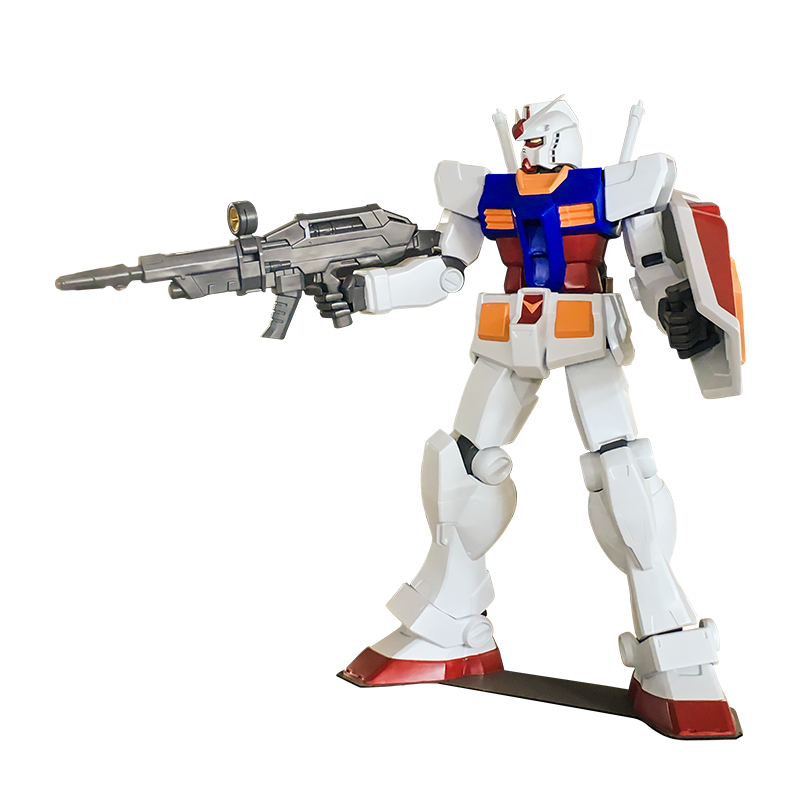
High-precision 3D printing refers to the ability of a 3D printer to produce parts with fine details, tight tolerances, and smooth surface finishes. In industries such as aerospace, medical devices, automotive, and jewelry, high precision is not just a luxury but a necessity. Parts must fit together perfectly, function seamlessly, and meet rigorous safety standards.
Key Aspects of High-Precision Printing
To evaluate a provider’s high-precision capabilities, it’s essential to understand the technology they use. Common 3D printing methods that provide high precision include:
- Stereolithography (SLA): SLA printers are known for their fine resolution and smooth finishes. They use liquid resin that is cured layer by layer with a UV laser. This method can achieve precision in the range of 25 to 50 microns, making it suitable for highly detailed parts, such as dental implants or intricate prototypes.
- Selective Laser Sintering (SLS): SLS is another popular 3D printing technology that provides high precision. It uses a laser to sinter powdered material, typically nylon, into solid structures. This method is effective for creating complex geometries and is often used for creating durable prototypes and end-use parts.
- MultiJet Fusion (MJF): MJF is another high-precision 3D printing technology that uses a layer-by-layer process to fuse materials using heat and binding agents. It offers excellent part resolution and consistency, making it a strong choice for production-quality parts.
When selecting a service provider, ensure they can meet your desired tolerance levels, whether it’s ±0.1mm, ±0.2mm, or tighter. Ask for samples of their previous work to evaluate their precision capabilities.
2. High-Temperature Material Printing
High-temperature printing is a critical factor when producing parts that will be exposed to extreme heat, such as components in aerospace, automotive engines, or medical devices. 3D printing technologies that support high-temperature materials allow manufacturers to produce parts with superior thermal stability.
Types of High-Temperature Materials
High-temperature 3D printing involves materials that can withstand elevated temperatures without degrading or losing their structural integrity. These materials include:
- PEEK (Polyether Ether Ketone): PEEK is a high-performance thermoplastic with excellent resistance to heat and chemicals. It can withstand temperatures of up to 250°C (482°F) and is commonly used in aerospace and medical applications.
- UHTC (Ultra High Temperature Ceramics): UHTC materials can handle temperatures as high as 3000°C (5432°F) and are used in the production of parts for aerospace, military, and high-performance engineering applications.
- Ceramics and Metal Alloys: Some 3D printing services use metal alloys like titanium or stainless steel, which can tolerate high temperatures. These materials are suitable for creating parts for gas turbines, engine components, and other high-performance applications.
Evaluating High-Temperature Capabilities
When assessing a 3D printing service provider’s ability to handle high-temperature materials, ensure they have the necessary equipment, such as industrial 3D printers designed to handle these demanding materials. It’s also essential to verify that the provider has experience with post-processing techniques like heat treatment to enhance the properties of high-temperature materials.
3. High-Strength Material Printing
High-strength materials are essential for 3D printing applications that require durability, impact resistance, and structural integrity. For industries like automotive, defense, and manufacturing, parts must be able to withstand mechanical stresses and physical wear and tear.
Key High-Strength Materials
Some of the high-strength materials commonly used in 3D printing include:
- Titanium Alloys: Titanium is renowned for its strength-to-weight ratio, corrosion resistance, and ability to withstand high temperatures. 3D printing with titanium is often used for aerospace, automotive, and medical implants.
- Carbon Fiber Reinforced Polymers: Carbon fiber materials like nylon or PLA reinforced with carbon fiber offer exceptional strength and stiffness while maintaining lightweight properties. These materials are frequently used in automotive and drone applications.
- Stainless Steel and Inconel: These high-strength materials are used in applications where strength and heat resistance are required. Stainless steel is versatile and used in many industries, while Inconel is often used in aerospace and power generation.
Evaluating High-Strength Material Capabilities
To evaluate a 3D printing service provider’s ability to print with high-strength materials, inquire about their material options and their expertise in handling them. Some key questions to ask include:
- Do they provide access to advanced composite materials like carbon fiber or kevlar?
- Are they equipped to handle metals like titanium, stainless steel, or Inconel?
- What types of post-processing treatments do they use to enhance material properties, such as heat treatment or sintering?
A service provider with experience in working with high-strength materials will be able to guide you through material selection and advise on the best choices for your specific requirements.
4. Customization Capabilities
The ability to meet customization requirements is one of the key advantages of 3D printing. Unlike traditional manufacturing, 3D printing allows for the creation of complex geometries, intricate designs, and bespoke parts that are often impossible to produce using other methods. This is particularly valuable for industries that require custom prototypes or small-batch production.
Evaluating Customization Capabilities
When assessing a service provider’s ability to meet your customization needs, consider the following:
- Design Flexibility: Does the provider support a wide range of designs and geometries? Can they print complex shapes, like lattice structures, that traditional manufacturing methods can’t produce?
- Rapid Prototyping: Does the provider offer rapid prototyping services? How quickly can they produce and deliver prototype parts for testing and validation?
- Low-Volume Production: If you need to produce a limited number of parts, is the provider able to efficiently handle small production runs?
A provider with strong customization capabilities should be able to offer tailored solutions that meet your unique needs, whether it’s for a custom prototype or a batch of highly specialized parts.
Conclusion
In conclusion, evaluating a 3D printing service provider’s technical capabilities is essential for ensuring the success of your project. By focusing on factors such as high-precision printing, high-temperature material printing, high-strength material printing, and customization abilities, you can select a provider that aligns with your requirements and guarantees the quality of your parts. Make sure to ask the right questions, review their portfolio, and assess their expertise in handling the specific materials and technologies that your project demands. With the right provider, 3D printing can unlock new levels of innovation and efficiency in your manufacturing processes.