How 3D Printing Is Transforming the Toy Industry
The toy industry has always been driven by creativity, innovation, and imagination. Today, 3D printing is taking these elements to a whole new level. By enabling rapid production, full customization, and decentralized manufacturing, 3D printing is reshaping how toys are designed, produced, and experienced by both children and adults.
1. Unlimited Creativity and Design Freedom
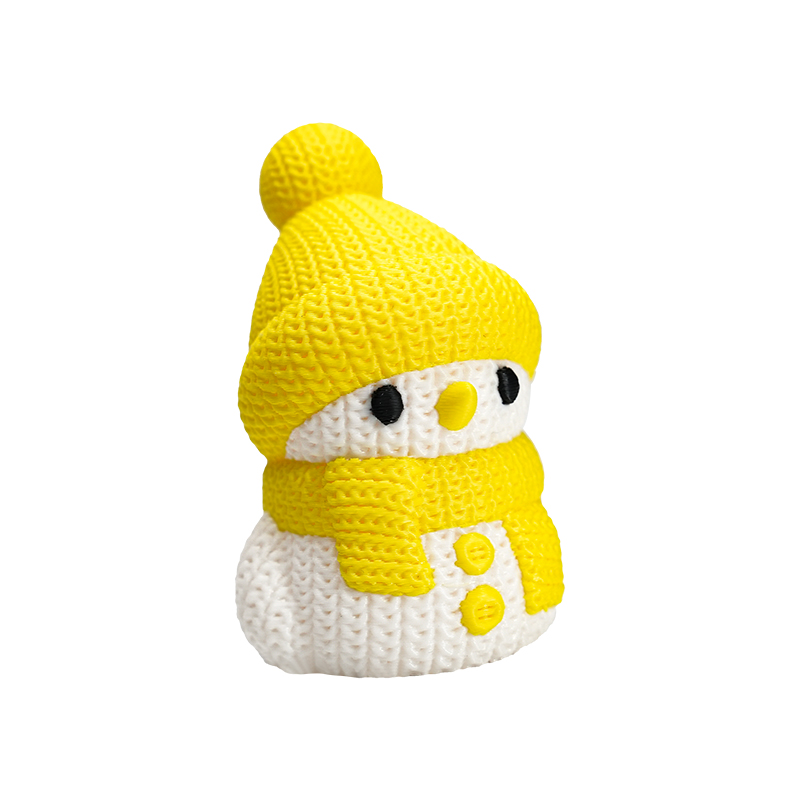
Traditional toy manufacturing often requires expensive molds and large production volumes, which limits creativity. With 3D printing, designers are no longer constrained by these factors. Complex geometries, moving parts, and intricate details can be created in a single print. This opens the door to entirely new categories of toys that were previously impossible to produce.
2. Customization and Personalization
One of the biggest advantages of 3D printing in toys is the ability to personalize products. Customers can customize characters, colors, sizes, or even create toys based on their own designs. For example, a child can have a toy modeled after their own drawing or a personalized action figure with their name or likeness.
3. Rapid Prototyping and Short Development Cycles
3D printing significantly reduces the time required to bring a toy from concept to market. Designers can quickly test multiple versions, make improvements, and finalize products without the need for tooling. This allows companies to stay ahead of trends and respond quickly to changing consumer preferences.
4. On-Demand Manufacturing
Instead of producing large quantities and holding inventory, companies can manufacture toys on demand. This reduces storage costs and eliminates the risk of unsold stock. It also allows businesses to offer a wider variety of products without increasing operational complexity.
5. Educational Value
3D-printed toys are not just for entertainment—they also have strong educational benefits. They can be used to teach STEM concepts such as engineering, design, and problem-solving. Many educational kits now include 3D-printed components that encourage hands-on learning and creativity.
6. Sustainability and Waste Reduction
3D printing minimizes material waste by using only what is necessary to build each toy. Additionally, many materials used in 3D printing are recyclable or biodegradable. Localized production further reduces the environmental impact associated with transportation and logistics.
7. Opportunities for Small Businesses and Creators
3D printing lowers the barrier to entry for entrepreneurs and independent designers. Individuals can design, produce, and sell their own toys without large upfront investments. Online platforms and marketplaces make it easier than ever to reach a global audience.
8. Challenges to Overcome
Despite its advantages, 3D printing in the toy industry faces challenges such as production speed, material safety standards, and durability requirements—especially for children’s products. However, continuous advancements in materials and technology are rapidly addressing these issues.
Conclusion
3D printing is revolutionizing the toy industry by empowering creativity, enabling personalization, and transforming manufacturing processes. As the technology matures, it will continue to unlock new possibilities for both businesses and consumers, making play more imaginative, interactive, and accessible than ever before.